 Skip to content
 ES
ES Italia
 Alemania
 Francia





Product Description
The Victoria Dutch oven is your best ally when it comes to cooking classic slow-cooked dishes, spectacular stews, and other meals on the barbecue or over a wood fire.
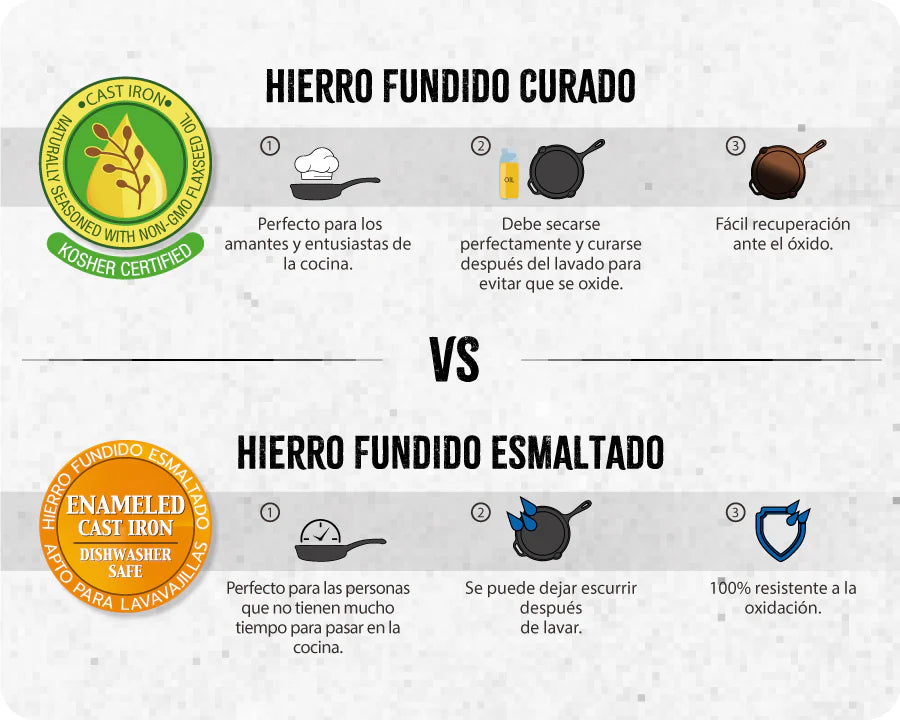
Para curar los utensilios de hierro fundido, debes aplicar una capa de aceite o grasa y calentarlos preferiblemente dentro del horno por 15 minutos o sobre la estufa hasta ver un ligero humo. Esto hará que se proteja el hierro, no se oxide y mantenga sus buenas condiciones. Es importante que no estregues el fondo con mucha presión para no eliminar esta capa de aceite (patina).
Al momento de lavarlos
Para lavar tus utensilios de hierro fundido existen varios métodos correctos y eficaces para garantizar su buen estado. Puedes utilizar jabones suaves para remover los excesos de alimentos sobre la superficie y utilizar, si es el caso, una esponjilla de acero; también puedes estregar con un poco de sal gruesa y así hacer la fricción necesaria para su limpieza. Luego de lavar es importante que seques cuidadosamente toda la superficie tu utensilio con una toalla seca y aplicar una capa de aceite o grasa.
Es importante que tengas en cuenta que el hierro fundido curado no es apto para ser lavado en lavavajillas, mientras que el hierro fundido esmaltado si es completamente apto para su lavado en lavavajillas; sin embargo eliminará considerablemente la patina que se forma con los aceites y grasas al cocinar, y que permite un mayor antiadherente natural y saludable para cada preparación.
Dimensions: 1.9L
Weight: 3.25 Kg
High-quality materials: Hierro Fundido Curado
100% made in Colombia.
Better together
Promise of Victory

Innovating tradition
We combine timeless craftsmanship with modern design to maximize beauty and functionality.
Responsible Production
We manufacture with conscience and respect for the environment. We choose sustainable processes and durable materials that reduce waste and leave a positive footprint.
Careful Quality Control
Each piece passes through expert hands that take care of every detail. Because cooking well begins with a reliable and precise utensil.
Built to Last a Lifetime
Our cast iron doesn't just stand the test of time. It is designed to be with you for generation after generation, with the same performance and character.
What makes us unique

Ergonomic design

Circular economy

Healthier

Versatile heat sources

Natural non-stick properties

100% recycled iron
Benefits of cast iron
- Works with different heat sources, such as ovens, campfires, induction, glass-ceramic, gas, and electric cooktops.
- Lasts for generations.
- Retains heat and distributes it evenly, ensuring that meat is cooked to perfection.
- Its natural non-stick surface is achieved through seasoning and proper maintenance. If both processes are followed, the non-stick properties will improve progressively.

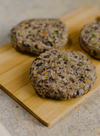
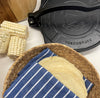
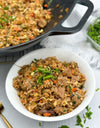
Cast iron recipes






FREQUENTLY ASKED QUESTIONS
We tested more than a dozen different oils and fats to get the best performance right from the start. Flaxseed oil, when used correctly, has always proven to be the best oil for base coats. This is due to several factors:
1. Polymerization: Flaxseed oil is a drying oil, which means it polymerizes more easily than non-drying oils, such as grapeseed oil, another popular oil for seasoning. This property allows it to form a durable, resistant, and non-stick seasoning layer on cast iron.
2. Smoke point: Flaxseed oil has a lower smoke point (around 225°F or 107°C). While this can be a disadvantage for cooking, it is actually beneficial for the seasoning process. The lower smoke point allows the oil to polymerize at lower temperatures, creating a strong bond with the cast iron surface.
3. Fatty acid composition: Flaxseed oil is high in alpha-linolenic acid (ALA), an omega-3 fatty acid, which is relatively stable compared to the polyunsaturated fats found in grapeseed oil and other popular seasoning oils. This stability can result in a longer-lasting, more resilient seasoning on your cast iron cookware.
4. Food safety: Flaxseed oil, when properly polymerized, forms a stable and safe surface for cooking. The polymerized layer reduces the risk of oxidation and the formation of harmful free radicals during cooking, ensuring a healthier culinary experience.
Our cast iron comes high-temperature seasoned and ready to cook. Here are our recommendations:
- Hand wash and dry completely before the first use.
- It is normal for food to stick to the surface of cast iron cookware during the first few uses. To prevent this, we recommend using a small amount of cooking oil or fat until the seasoning strengthens and settles. You can use any edible fat, such as vegetable oil, nut oil, lard, or butter.
- When cooking with cast iron, it is important to use the proper temperature to prevent food from sticking. Cast iron retains heat very well, so we recommend using low or medium-low heat for most foods. Delicate foods, such as proteins, cook best on low heat.
- To protect the seasoning, we also recommend avoiding acidic foods like tomatoes, vinegar, and citrus until the seasoning has had time to develop.
- If you want to give your cast iron cookware an extra layer of seasoning, some people choose to season it one or more times before use. This is not necessary if you take good care of the cookware, but it can help create a thicker seasoning layer in less time. Ultimately, the decision is yours.
Although it can be exciting to start using your new cookware, it is important to avoid common mistakes that can damage the seasoning and cause problems when cooking. To prevent these errors, we recommend:
- If you make a mistake and rust appears or food sticks to the pan, don't worry: cast iron is durable and can be restored with proper care and maintenance. To learn more about how to re-season your cookware, check the instructions included in the packaging or on this website.
- Remember that, as long as your cast iron cookware is not broken, it can always be recovered and returned to its original state.
- With proper care and attention, your cast iron cookware will provide you with many decades of reliable use.
We are working on it and will launch it soon. In the meantime, tell us what you prefer: glass or iron?